
Medical Weight Management — Personalized, Evidence-Based Care
Multiple treatment options tailored to your metabolism, medical history, and long-term goals.

Our Approach
Weight regulation is influenced by complex interactions between hormones, brain signaling, metabolism, and behavior. For many patients, weight gain is not simply a matter of willpower — it reflects physiologic and neurologic processes that benefit from structured medical evaluation.
At Willowmere Integrative Care, we offer medically supervised weight management using both injectable and oral medications. Treatment plans are individualized based on safety, metabolic profile, cardiovascular risk, and long-term sustainability.
Our goal is not rapid temporary weight loss, but structured metabolic improvement and durable results.
Struggling with Cravings or Emotional Eating?
If your biggest challenge is not constant hunger but rather cravings, stress eating, late-night snacking, or difficulty controlling portions, your brain’s reward pathways may be contributing to the cycle.
Weight regulation is heavily influenced by dopamine and reinforcement signaling. For some individuals, targeting cravings is more effective than suppressing hunger alone.
About Contrave
Contrave is a prescription medication that combines two medications: bupropion and naltrexone.
Together, they influence areas of the brain responsible for appetite control and food-related reward signaling. Unlike stimulant appetite suppressants, this therapy focuses on the neurologic drivers of cravings.
How It Works
Bupropion affects dopamine and norepinephrine pathways involved in motivation and appetite regulation.
Naltrexone modulates opioid receptors associated with reward behavior.
When combined, these medications may:
- Reduce food cravings
- Improve control over emotional eating
- Decrease reward-driven snacking
- Support more consistent eating behaviors
Who May Benefit
This therapy may be appropriate for individuals who:
- Struggle primarily with cravings
- Experience stress-related or emotional eating
- Prefer a non-stimulant oral option
- Have not tolerated other weight management medications
A medical evaluation is required to assess blood pressure, medication interactions, and mental health history.
Monitoring and Safety
Treatment is started gradually to improve tolerability.
Monitoring includes:
- Blood pressure assessment
- Mood and symptom evaluation
- Structured follow-up visits
Constant Hunger Making Weight Loss Difficult?
If persistent hunger is your primary obstacle — rather than cravings — short-term appetite suppression may be appropriate.
About Phentermine
Phentermine increases norepinephrine activity in the brain. Norepinephrine plays a role in appetite control and alertness.
How It Works
By stimulating the hypothalamus (the brain’s hunger center), phentermine may:
- Reduce appetite
- Decrease food preoccupation
- Support portion control
- Help reduce caloric intake
Who May Benefit
Phentermine may be appropriate for:
- Patients without uncontrolled hypertension
- Individuals without significant cardiovascular disease
- Those seeking a lower-cost option
- Patients needing short-term structured support
Monitoring and Safety
Because phentermine has stimulant-like properties, we monitor:
- Blood pressure
- Heart rate
- Sleep patterns
- Overall tolerance
It is typically used short-term within a structured plan.
Persistent Hunger and Slower Metabolism?
For many individuals, insulin resistance and impaired satiety signaling contribute to ongoing weight gain and difficulty maintaining weight loss.
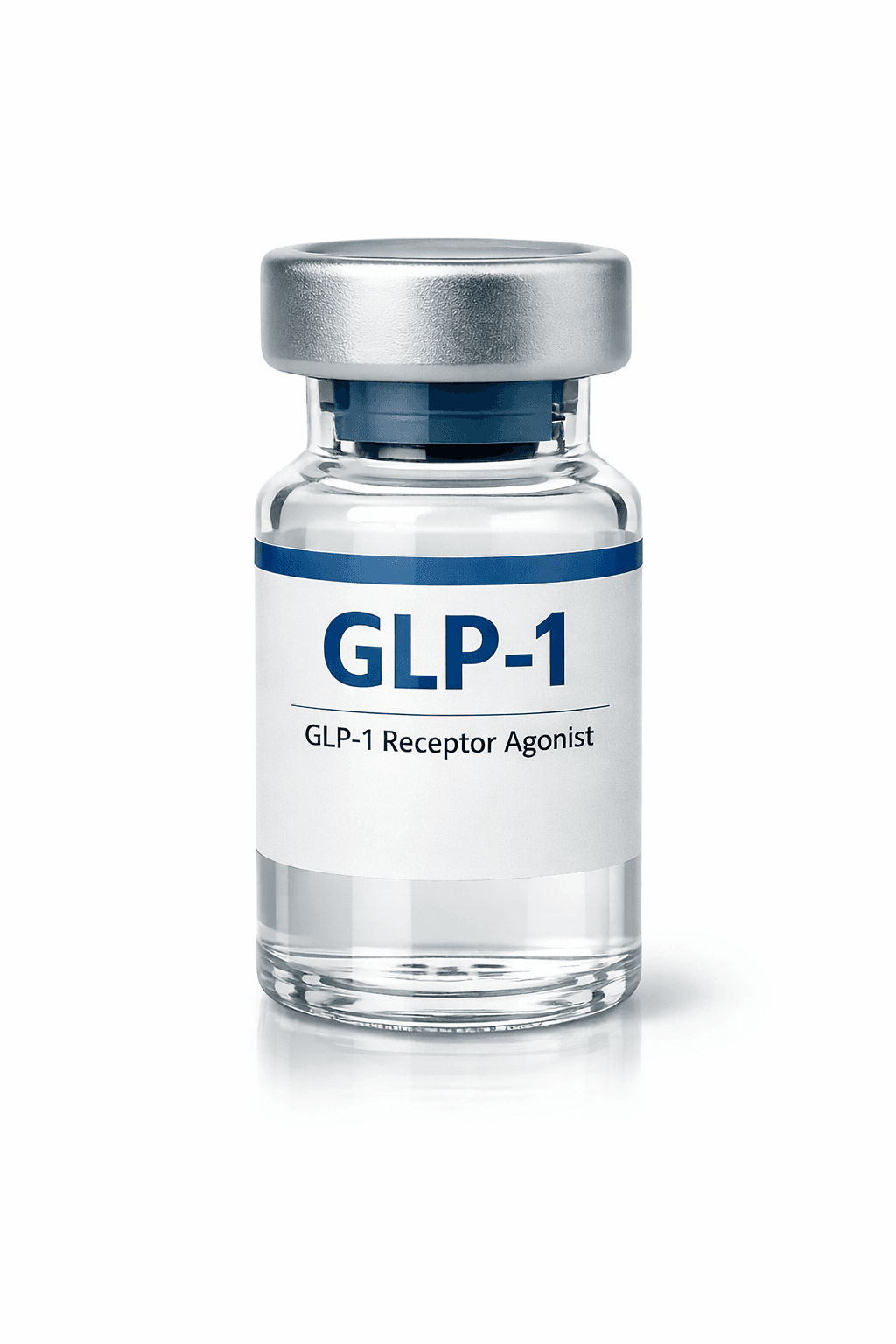
About GLP-1 Therapy
GLP-1 medications mimic a natural hormone involved in appetite regulation and blood sugar control.
How It Works
GLP-1 therapy may:
- Reduce hunger signals
- Increase fullness
- Slow gastric emptying
- Improve insulin sensitivity
- Stabilize blood sugar
Who May Benefit
GLP-1 therapy may be appropriate for:
- Individuals with obesity
- Patients with insulin resistance
- Those with prediabetes or metabolic syndrome
Monitoring and Process
- Initial consultation
- Lab review when indicated
- Dose titration
- Ongoing metabolic monitoring
Medical Weight Management Pricing
Semaglutide
Pay-As-You-Go
$150 to $350/month
- Monthly pricing ranges from $150 to $350, depending on dose.
Monthly Membership
$200 first month, then $275/month
- $200 for the first month
- $275 per month ongoing
- Includes prescription management and clinically appropriate dose adjustments.
Tirzepatide
Monthly Membership
$300 first month, then $400/month
- $300 for the first month (introductory rate)
- $400 per month ongoing
Pay-As-You-Go
$300 to $500/month
- Monthly pricing ranges from $300 to $500, depending on dose.
Phentermine
Monthly Pricing
Starting at $99/month
- Short-term appetite suppression therapy
- Requires clinical evaluation and blood pressure monitoring
- Duration and continuation determined by clinical response and safety profile
Contrave (Naltrexone/Bupropion)
Monthly Pricing
Starting at $89/month
- Oral weight-management therapy targeting appetite and cravings
- Dose titration completed per prescribing guidelines
- Ongoing monitoring included in medication management
All pricing is self-pay. Final cost may vary based on clinical evaluation and dosing requirements.
Need help deciding? Contact us or compare all services.